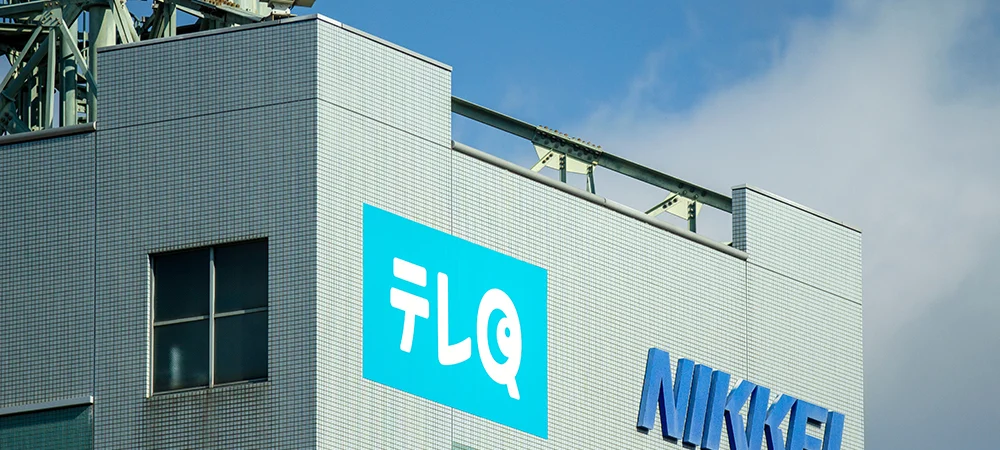
Japanese publishing powerhouse Nikkei has disclosed a data breach after hackers gained access to its Slack workspace using stolen credentials, exposing the personal details and chat histories of over 17,000 employees and business partners.
Nikkei, one of the world’s largest media organisations and owner of the Financial Times, has confirmed a data breach that compromised the personal information of 17,368 individuals after attackers infiltrated its internal Slack platform.
In a statement issued, the company said the intrusion occurred when authentication credentials were stolen from an employee whose computer had been infected with malware. The hackers subsequently accessed Slack accounts belonging to Nikkei staff, prompting an immediate investigation and mandatory password resets across the organisation.
“Potentially leaked information includes the names, email addresses, and chat histories for 17,368 individuals registered on Slack,” Nikkei said.
The company first detected the breach in September and moved quickly to contain it. While the incident exposed internal communication data, Nikkei emphasised that no confidential journalistic materials or information related to sources had been compromised.
“No leakage of information related to sources or reporting activities has been confirmed. We take this incident seriously and will further strengthen personal information management to prevent any recurrence,” the company said.
Despite the scale of the incident, Nikkei said the leaked data does not fall under the scope of Japan’s Personal Information Protection Law, which requires formal reporting of certain breaches. However, the publisher voluntarily informed the Personal Information Protection Commission, citing its commitment to transparency given the incident’s significance.
Founded in 1876, Nikkei operates The Nikkei – the world’s largest financial newspaper by circulation – and controls over 40 subsidiaries spanning publishing, broadcasting, events, databases, and financial indices. The media group, which purchased the Financial Times in 2015, maintains 37 overseas editorial bureaus and employs more than 1,500 journalists worldwide.
The breach highlights ongoing cybersecurity challenges faced by major media organisations, whose communication platforms have become lucrative targets for attackers seeking to exploit internal networks and steal sensitive corporate data.
Share this article